
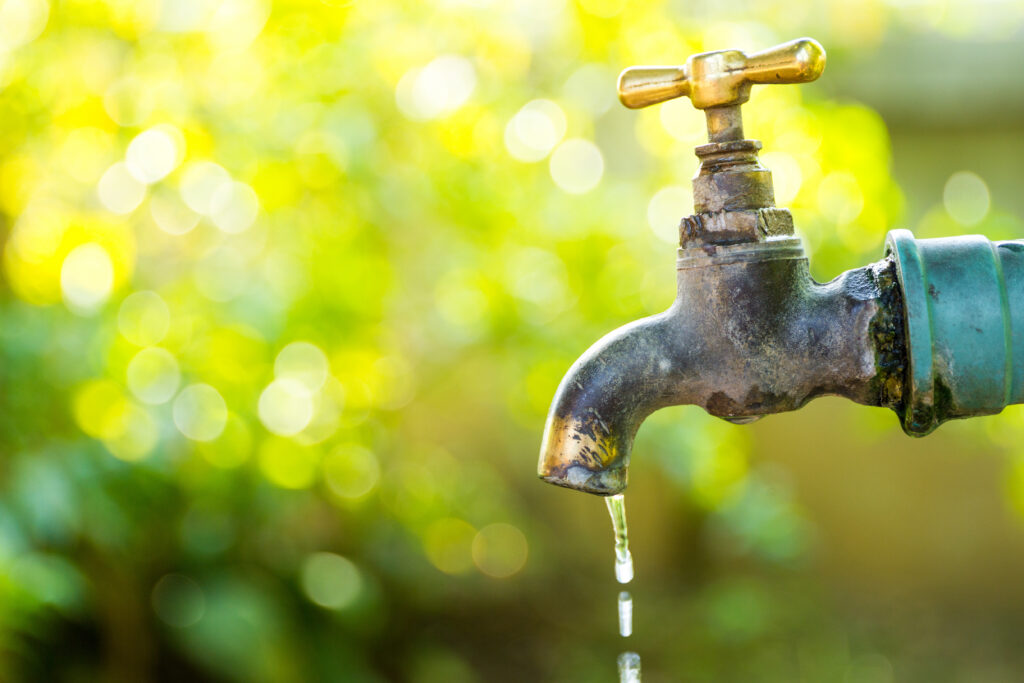
Summer is a busy season for your home’s plumbing. Between watering lawns, filling pools, washing cars, hosting backyard gatherings, and taking extra showers, your plumbing system works harder than it does during almost any other time of year. Add Connecticut’s rising temperatures to the mix, and the strain can start to show.
While most homeowners think of air conditioning when the weather heats up, plumbing systems are also affected by prolonged periods of high temperatures and increased water demand. Small issues that go unnoticed during cooler months can quickly become larger, more expensive repairs.
The good news? A few seasonal maintenance checks can help keep your plumbing system running efficiently all summer long.
Why Summer Puts Extra Stress on Your Plumbing
Unlike winter, when freezing temperatures pose the biggest threat, summer creates a different set of plumbing challenges. Increased water usage, Connecticut’s dry soil, expanding materials, and outdoor plumbing all contribute to additional wear on your system.
Common summer plumbing stressors include:
- Higher household water usage
- Lawn irrigation systems
- Outdoor faucets and hose bibs
- Increased sewer line activity
- Soil movement during dry weather
- Aging pipes exposed to seasonal expansion
While none of these issues are necessarily alarming on their own, together they can place significant strain on your plumbing system.
Increased Water Usage Means Increased Wear
Many households use substantially more water during the summer months.
Between watering gardens, filling kiddie pools, pressure washing patios, and accommodating kids home from school, your plumbing system is working overtime.
Higher demand can expose weaknesses that weren’t noticeable before, including:
- Small pipe leaks
- Worn valves
- Aging fixtures
- Low water pressure
- Water heater performance issues
If you’ve noticed your plumbing behaving differently during the summer, increased demand could be revealing an underlying issue.
Outdoor Plumbing Needs Attention Too
Outdoor plumbing often gets overlooked until something goes wrong.
Garden hoses, hose bibs, irrigation systems, and exterior faucets experience heavy use throughout the summer. Small leaks that seem insignificant can waste hundreds of gallons of water over the course of a season.
Take a few minutes to inspect:
- Hose connections
- Outdoor faucets
- Sprinkler heads
- Irrigation lines
- Exterior shut-off valves
Look for dripping water, pooling around foundations, or soggy areas in the yard that could indicate underground leaks.
Dry Soil Can Affect Underground Pipes
Extended periods of hot, dry weather don’t just impact your lawn—they also affect the ground surrounding your underground plumbing.
As soil dries, it contracts and shifts. That movement can place additional pressure on underground water and sewer lines, particularly in older homes.
While underground pipe damage isn’t common, seasonal soil movement can contribute to:
- Small pipe separations
- Joint movement
- Existing cracks becoming worse
- Sewer line shifting
If you notice unexplained wet spots in your yard or slow drains throughout your home, it’s worth having your plumbing inspected.
Don’t Ignore Slow Drains
Summer often means more guests, more cooking, and more activity throughout the house.
Kitchen drains handle additional grease, food scraps, watermelon rinds, corn husks, and cooking waste from barbecues and family gatherings. Bathroom drains see more use from extra showers and overnight visitors.
If drains begin slowing down, avoid relying on harsh chemical drain cleaners, which can damage pipes over time.
Instead:
- Remove visible debris
- Flush drains with hot water when appropriate
- Schedule a professional inspection if multiple drains are affected
Persistent slow drains may indicate a developing blockage deeper within your plumbing system.
Watch for Sewer Line Warning Signs
Tree roots continue growing throughout the warmer months, often seeking moisture from underground sewer lines.
Older pipes with small cracks or loose joints become attractive entry points.
Signs of a developing sewer problem include:
- Frequent drain backups
- Multiple slow drains
- Gurgling toilets
- Sewer odors inside or outside the home
- Wet patches in the yard
Addressing sewer issues early can help avoid far more extensive repairs later.
High Temperatures Can Reveal Hidden Leaks
Warm weather often leads to higher water bills simply because homeowners use more water, which can make hidden leaks harder to spot.
Pay attention if you notice:
- An unusually high water bill
- Constantly running water sounds
- Damp walls or ceilings
- Mold or mildew odors
- Water pressure changes
Even a small leak can waste thousands of gallons of water over time while causing hidden structural damage.
Check Your Water Pressure
Summer is an excellent time to monitor your home’s water pressure.
Higher demand across neighborhoods can sometimes contribute to noticeable pressure changes. However, consistently low pressure may indicate:
- Mineral buildup
- Pipe corrosion
- Hidden leaks
- Pressure regulator issues
- Partially closed valves
Testing pressure periodically can help identify developing problems before they become emergencies.
A Simple Summer Plumbing Checklist
A few preventative steps can go a long way toward avoiding plumbing problems during the hottest months of the year. Consider adding these tasks to your seasonal maintenance routine:
- Inspect outdoor faucets and hose connections
- Check irrigation systems for leaks
- Monitor water pressure
- Look for signs of hidden leaks
- Clean sink and shower drains
- Watch for sewer line warning signs
- Schedule a professional plumbing inspection
Most of these checks take only a few minutes but can prevent costly repairs later.
Prevent Problems Before They Start
Many plumbing emergencies begin as small, easily overlooked issues.
Routine inspections help identify worn components, developing leaks, aging pipes, and other concerns before they disrupt your summer plans.
Bluefrog Plumbing’s Elite Membership makes preventative maintenance even easier. Members receive annual plumbing inspections with no additional service fee, priority scheduling, and exclusive savings on repairs and services. Rather than waiting for something to break, homeowners can stay ahead of problems with proactive maintenance throughout the year.
Enjoy Summer (Not Plumbing Emergencies)
Summer should be spent enjoying backyard cookouts, vacations, and time with family, not dealing with burst pipes, sewer backups, or unexpected leaks.
By paying attention to seasonal changes, inspecting your plumbing system, and addressing small concerns early, you can help keep your home’s plumbing operating efficiently through the hottest months of the year.
If it’s been a while since your plumbing system has been professionally inspected, summer is an ideal time to ensure everything is ready for the season ahead. A little preventative maintenance today can help you avoid much larger plumbing problems tomorrow.